

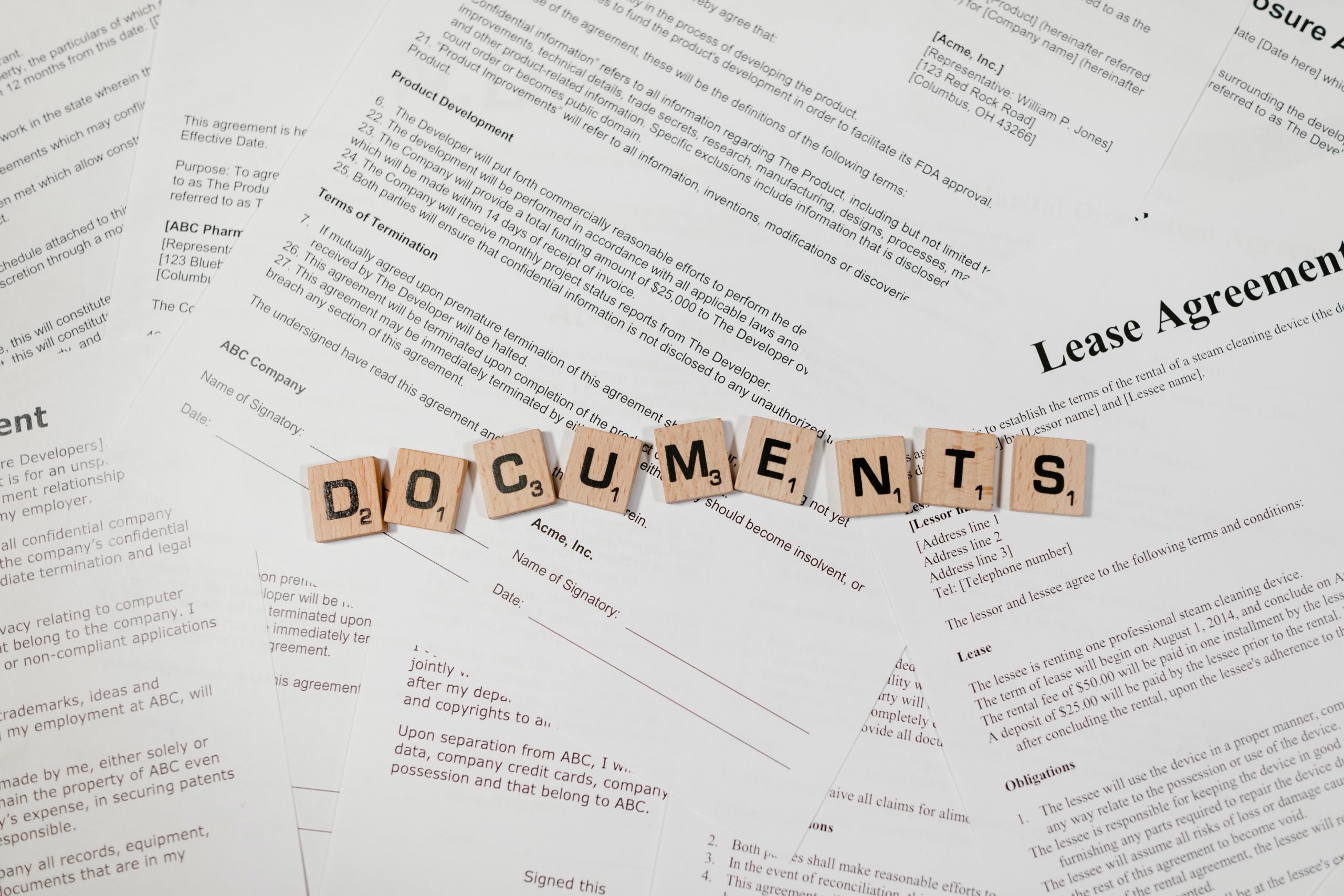
If your USCIS case status says “Response To USCIS’ Request For Evidence Was Received,” USCIS has logged the documents you sent in reply to a Request for Evidence (RFE), and your case is back in line for an officer to review. It is not an approval or a denial yet. This guide explains what happens next, how long it can take, and what to do if your case stops moving.
What “Response To USCIS’ Request For Evidence Was Received” Means
This status confirms that USCIS received your RFE response and attached it to your file. It usually appears within about one to two weeks after your response is delivered. You can check it with your receipt number using the USCIS Case Status Online tool.
The status does not mean an officer has read your response or decided whether it is enough. That review comes next.
What Happens Next
An officer reviews your response together with the rest of your file and decides whether you have now shown that you qualify. Your online status may stay the same during this review, or it may change to “Case Is Being Actively Reviewed By USCIS.” The review ends in one of these outcomes:
- Approval. Your status changes to “Case Was Approved,” and USCIS mails an approval notice. For a green card application, you will then see updates such as “New Card Is Being Produced.”
- Another RFE. If something is still unclear, USCIS can request more evidence, although a second RFE is less common.
- Notice of Intent to Deny (NOID). If USCIS plans to deny the case, it may first send a NOID giving you a final chance to respond. See RFE vs NOID for the difference.
- Interview. For some applications, such as green card cases, USCIS may schedule an interview.
- Denial. If the evidence does not establish eligibility, USCIS can deny the case without further notice.
How Long Does USCIS Take After an RFE Response?
There is no fixed deadline. Many cases are decided within weeks to a few months after the response is received, but the time depends on the form, the USCIS office handling the case, and whether background checks or an interview are still pending. Check the USCIS processing times page for your form and office.
If your case is under premium processing, the RFE stops the premium clock. When USCIS receives your response, a new full premium processing period starts (15, 30 or 45 business days, depending on the form).
Can I Send More Evidence After My Response?
Generally, no. USCIS expects you to submit everything requested in a single, complete response, and it will decide the case on the record it has. Sending extra documents afterwards usually does not help and may not be considered. That is why it is worth having an attorney review an RFE response before you send it.
What If Your Case Status Doesn’t Change?
- Check processing times first. If your case is still within the normal time for your form and office, USCIS will generally not take an inquiry.
- Submit a case inquiry. Once your case is outside normal processing times, you can submit an online “case outside normal processing time” inquiry or call the USCIS Contact Center.
- Escalate if needed. If inquiries do not help, you can ask the CIS Ombudsman or your congressional representative’s office for help.
- Keep records. Save a copy of your full RFE response and proof of delivery.
For more on delays, see case processing times once a petition is filed.
Need Help With an RFE or a Delayed Case?
BCA Law Firm prepares RFE and NOID responses and helps clients whose cases are stuck after a response. Contact us to schedule a consultation, and see how to prepare for your consultation.

